Ancient Greek Numbers Unicode Block
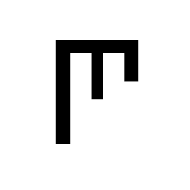
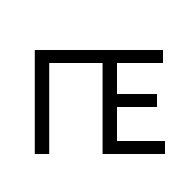
The Unicode block "Ancient Greek Numbers" is a dedicated range of code points that encapsulate a set of numerals used in ancient Greece. Spanning from U+10140 to U+1018F, this block features not just basic numeric symbols but also combines marks, fractions, and unique numeral representations that were used in various ancient Greek cities and regions. Greek numerals are distinct from the more commonly recognized Greek letters, as they represent specific quantitative values instead of phonetic sounds. The numeral system was primarily additive and sometimes involved subtraction to denote numbers succinctly. These numeric symbols hold historical significance as they were employed in a range of ancient Greek texts including accounting records, astronomical computations, and various other scholarly works, providing insight into the mathematical and cultural practices of that era.
The Ancient Greek numeral system is characterized by its non-positional nature in which symbols represent numbers with either single letters or strings of letters; for instance, the symbol for 1,000 is different from a mere multiplication of the symbol for 100. This reflects the extensive and sometimes complex methods the ancient Greeks used for calculation and record-keeping. The inclusion of this block in Unicode serves as a vital tool for historians, linguists, and digital humanists, enabling accurate digital representation and scholarly study of ancient texts. Additionally, its presence in digital formats helps preserve the numeral system and allows for greater accessibility and dissemination of ancient Greek cultural and historical records in the modern era.
View a range of fonts that support the Ancient Greek Numbers block.
Below you will find all the characters that are in the Ancient Greek Numbers unicode block. Currently there are 79 characters in this block.