Brahmi Unicode Block
The Brahmi Unicode block is a significant addition to the Unicode Standard, encompassing characters from one of the oldest writing systems of ancient India. Deployed in the range from U+11000 to U+1107F, this block comprises 109 characters which include consonants, vowels, various diacritic forms, and several numeral signs. Brahmi serves as a crucial historical reference point, believed to be the ancestor of many Asian scripts, and its encoding supports the digital preservation and scholarly investigation of ancient texts. This block facilitates a resurgence of interest in historical linguistics and the study of Brahmi inscriptions that date back as far as the 3rd century BCE, offering insights into the early evolution of written communication in the Indian subcontinent.
In terms of its implementation, the Brahmi Unicode block maintains compatibility for representing diverse epigraphical materials uncovered by archaeologists and historians. By providing a comprehensive set of characters, Unicode accommodates the diversity and complexity inherent in Brahmi script variants from different time periods and regions. As such, the encoding assists educational technologies, allowing researchers, academics, and history enthusiasts to render and utilize these ancient scripts efficiently in a digital environment. Consequently, the Brahmi Unicode block plays a pivotal role in enhancing the accessibility and dissemination of ancient cultural heritage, ensuring that vital historical documents and inscriptions are preserved for future generations to study and appreciate.
View a range of fonts that support the Brahmi block.
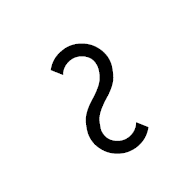
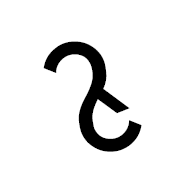
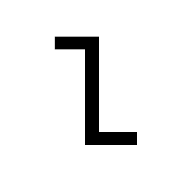
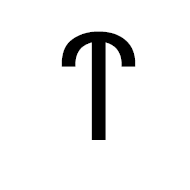
Below you will find all the characters that are in the Brahmi unicode block. Currently there are 115 characters in this block.