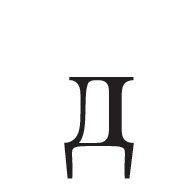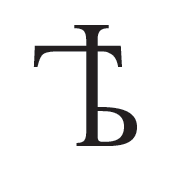
Cyrillic Extended-C Unicode Block
The Unicode block "Cyrillic Extended-C" is a vital extension in the representation of the Cyrillic script, catering to the needs of various Uralic, Altaic, and Eastern Slavic languages. Introduced in a later phase of Unicode development, this block includes characters that are not found in the more commonly used Cyrillic blocks, thereby enhancing the comprehensiveness and flexibility of digital text processing in these languages. This block provides encoding for historical and lesser-known letters, which have been crucial in transcribing native sounds that do not have direct equivalents in the basic Cyrillic script. Such additions ensure that digital communication and documentation can adequately cover the full phonetic and historical ranges of these languages.
Moreover, Cyrillic Extended-C aids in the preservation of local dialects and ancient scripts that rely on these unique symbols, often to maintain the cultural and linguistic heritage that might otherwise be lost in the digital age. By including these specific characters, the Unicode standard allows for the accurate representation of historical texts, thereby facilitating academic research and linguistic studies. This block maintains the Unicode Consortium's commitment to providing a universal character set, accommodating the vast diversity of human language and its evolution over time. The inclusion of Cyrillic Extended-C not only serves practical purposes in modern technology but also plays a crucial role in cultural preservation and scholarly endeavors.
View a range of fonts that support the Cyrillic Extended-C block.
Below you will find all the characters that are in the Cyrillic Extended-C unicode block. Currently there are 11 characters in this block.