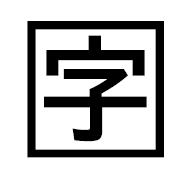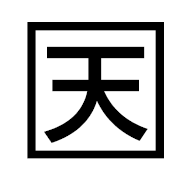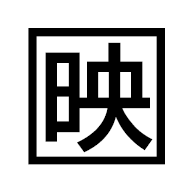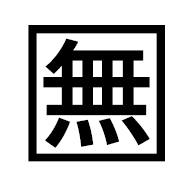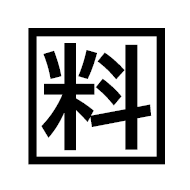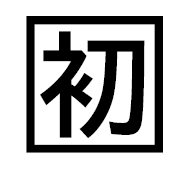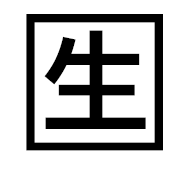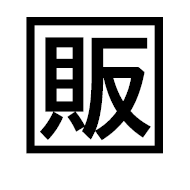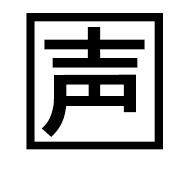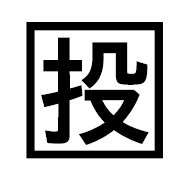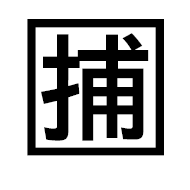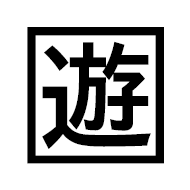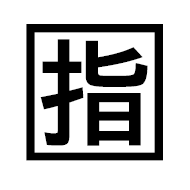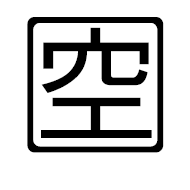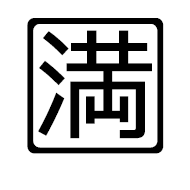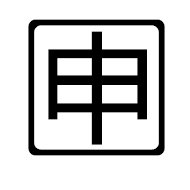
Enclosed Ideographic Supplement Unicode Block
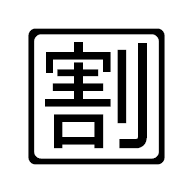
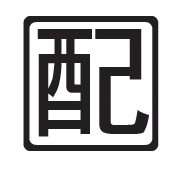
The Enclosed Ideographic Supplement is a fascinating Unicode block that primarily comprises a collection of enclosed CJK (Chinese, Japanese, Korean) ideographs. These symbols are essentially characters that represent words or concepts in East Asian languages, surrounded by enclosures such as circles or squares. This stylistic design is often used for emphasis or to denote specific categorizations in text, much like how bullet points or numbers are used in lists. The enclosed ideographic characters serve various purposes, including indicating order or rank—commonly seen in educational contexts like labeling answers in multiple-choice scenarios or organizing items in a list where a visual emphasis is beneficial.
This block is part of the larger Unicode Standard that aims to unify the encoding of text characters for all the world’s writing systems. Introduced to expand support for East Asian scripts, the Enclosed Ideographic Supplement ensures clear and concise visual representation of enclosed characters, which historically have been significant in print media, signage, and digital content throughout East Asia. With such inclusion, digital platforms can more accurately and stylistically reflect the nuances of East Asian written communication, preserving cultural authenticity and improving the user experience across software and electronic devices in multilingual environments.
View a range of fonts that support the Enclosed Ideographic Supplement block.
Below you will find all the characters that are in the Enclosed Ideographic Supplement unicode block. Currently there are 64 characters in this block.