Glagolitic Unicode Block
The Glagolitic script is a fascinating and ancient alphabet that plays a significant role in the history of Slavic languages and cultures. It is one of the earliest known Slavic alphabets, believed to have been developed in the 9th century by the Byzantine monk St. Cyril along with his brother St. Methodius. Their mission was to create a written system that could transcribe the vernacular Slavic languages to aid in the evangelization of the Slavic peoples. The Glagolitic script is characterized by its unique and intricate characters, which bear little resemblance to the Latin or Cyrillic alphabets. Its design is often considered influenced by the aesthetics of Byzantine graphic art, exhibiting a complex geometric and angular appearance.
Located in the Unicode block range from U+2C00 to U+2C5F, the Glagolitic block is encoded for digital use to preserve its historical significance and allow contemporary digital texts to include this script. This encoding serves as a bridge between past and present, enabling the script to be studied, digitized, and displayed in modern computing environments. The Glagolitic script, although largely replaced by the Cyrillic script for many Slavic languages, remains a symbol of cultural heritage and scholarly interest. Its inclusion in Unicode ensures its preservation and accessibility for linguists, historians, and anyone interested in the rich tapestry of Slavic history and language development.
View a range of fonts that support the Glagolitic block.
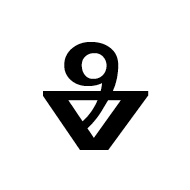
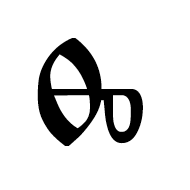
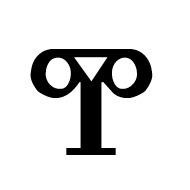
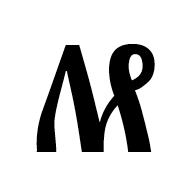
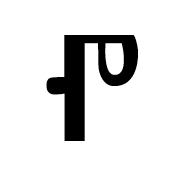
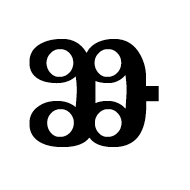
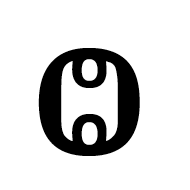
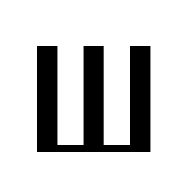
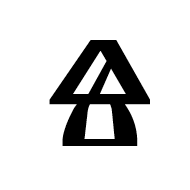
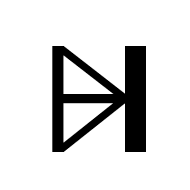
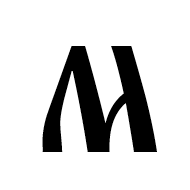
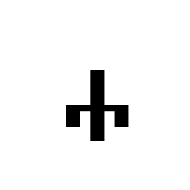
Below you will find all the characters that are in the Glagolitic unicode block. Currently there are 96 characters in this block.