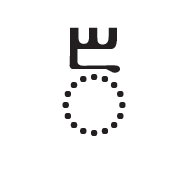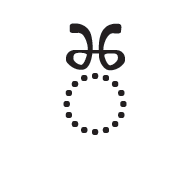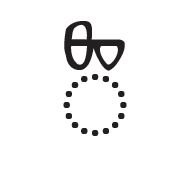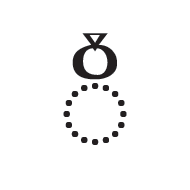
Glagolitic Supplement Unicode Block
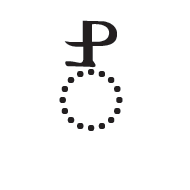
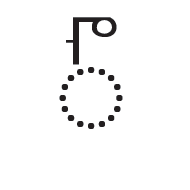
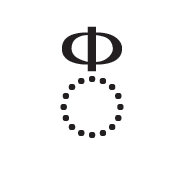
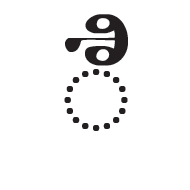
The Unicode block "Glagolitic Supplement" is an extension of the Glagolitic script, an ancient writing system used primarily for Slavic liturgical texts. This block, introduced in Unicode version 13.0, encompasses additional characters that were not covered in the initial Glagolitic block. Specifically, it includes a set of characters that serve to complete the representation of historical variations and extensions of the Glagolitic script, thereby allowing for a more thorough and nuanced encoding of texts that employed these auxiliary forms. These characters facilitate the preservation and academic study of medieval manuscripts, enabling scholars to produce more accurate digital reproductions of historical documents.
The Glagolitic script holds significant cultural and historical value, as it is one of the oldest known scripts used for Slavic languages, attributed to Saints Cyril and Methodius in the 9th century. The supplement block ensures that researchers, linguists, and historians have the comprehensive tools needed to delve into the nuances of Glagolitic texts, making it easier to understand the evolution of Slavic writing systems over time. By including rare and context-specific characters, the Glagolitic Supplement not only safeguards the linguistic heritage of the Slavic peoples but also supports the continuity of scholarly inquiry into ancient Eastern European cultures.
View a range of fonts that support the Glagolitic Supplement block.
Below you will find all the characters that are in the Glagolitic Supplement unicode block. Currently there are 38 characters in this block.