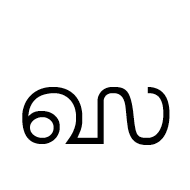
Grantha Unicode Block
The Grantha Unicode block is a range dedicated to the Grantha script, primarily used historically in the southern regions of the Indian subcontinent, particularly in Tamil Nadu and Kerala. This script is traditionally employed for writing Sanskrit and various Dravidian languages. Grantha is known for its rich historical significance as it provided a means of preserving the ancient Vedic and classical literatures in South India. In contemporary times, the script is primarily of academic interest, used by scholars to study classical texts. The block itself includes a variety of characters that facilitate the representation of the unique phonetic nuances of Sanskrit, including distinct consonants and vowels, as well as the various conjuncts and ligatures that are characteristic of the script.
The Grantha Unicode block covers the range U+11300 to U+1137F and comprises numerous encoded characters, including vowels, consonants, various signs, digits, and punctuation marks. The inclusion of Grantha in the Unicode Standard allows for more accessible digital transcription and preservation of this ancient scripting tradition, ensuring that it is not only retained for cultural and historical study but also made available for modern linguistic and philological research. By encoding the Grantha script in a universally accessible manner through Unicode, academics, linguistic enthusiasts, and software developers can ensure more robust support for complex South Asian writing systems, allowing the script to be used consistently and accurately across different platforms and digital environments.
View a range of fonts that support the Grantha block.
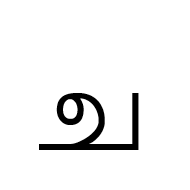
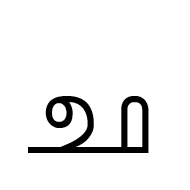
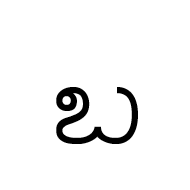
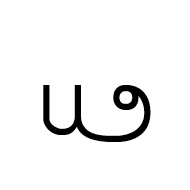
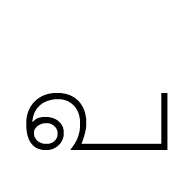
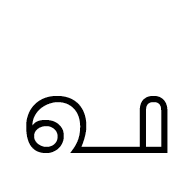
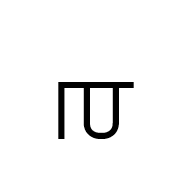
Below you will find all the characters that are in the Grantha unicode block. Currently there are 86 characters in this block.