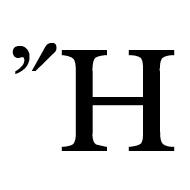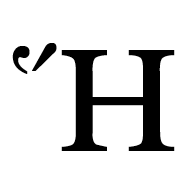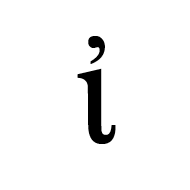
Greek Extended Unicode Block
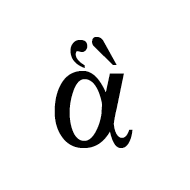
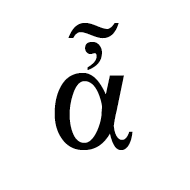
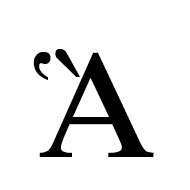
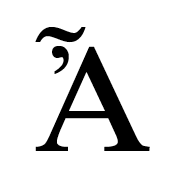
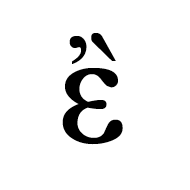
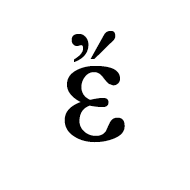
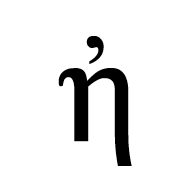
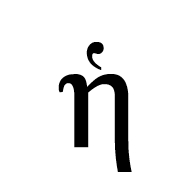
The Greek Extended Unicode block is a collection of characters that complements the basic Greek block by including additional diacritics necessary for the representation of a rich set of historical Greek orthographies and modern scholarly needs. This block, ranging from U+1F00 to U+1FFF, is particularly significant for representing polytonic Greek, which is vital for the accurate rendering of classical and medieval texts. Polytonic Greek script employs multiple diacritical marks, including various combinations of accent marks like the acute, grave, and circumflex, as well as the rough and smooth breathing marks. These diacritics play a crucial role in the phonetic and syntactical nuances of ancient Greek, making this block indispensable for linguists, historians, and classicists who work with Greek texts spanning different historical periods.
In addition to supporting the transcription of ancient texts, the Greek Extended block also aids in academic work where precise pronunciation notations and textual fidelity are necessary. Its inclusion of pre-combined vowel and diacritic forms reduces the complexity involved in display and processing of Greek polytonic text by modern software, thereby maintaining consistency and accuracy. The block supports a thorough representation of dialectical variations and nuanced linguistic expressions found in literary, philosophical, and scientific literature of the Greek tradition. Consequently, the Greek Extended Unicode block serves as a key resource in ensuring the continuous study, digital preservation, and enjoyment of Greek cultural heritage.
View a range of fonts that support the Greek Extended block.
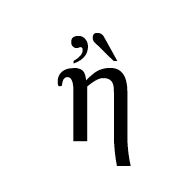
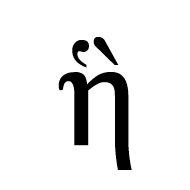
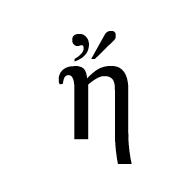
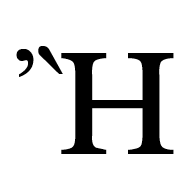
Below you will find all the characters that are in the Greek Extended unicode block. Currently there are 233 characters in this block.