Hatran Unicode Block
The Hatran Unicode block is a dedicated range within the Unicode Standard specifically designated for representing the ancient Hatran script. This script was used in the city of Hatra, a cultural and religious center of the Parthian Empire, located in what is now modern-day Iraq. The city thrived between the 2nd and 3rd centuries CE, serving as a crossroads of various civilizations, languages, and cultures. The Hatran script itself is an abjad, primarily used for writing the Aramaic language that was prevalent across the region during that period. Consisting of characters that facilitate the representation of consonants, the script omits vowels, which is a characteristic feature it shares with other Semitic scripts of that era.
Incorporated into Unicode to preserve and facilitate digital access to ancient texts, the Hatran block is essential for scholars, historians, and linguists involved in the study of Middle Eastern antiquities. The inclusion of the Hatran script enables accurate digitization, analysis, and dissemination of the script, which is crucial for deciphering inscriptions and documents found in archaeological sites. This helps provide insights into the socio-political and cultural dynamics of the time. By digitizing ancient scripts like Hatran, Unicode plays a vital role in preserving linguistic heritage, allowing researchers worldwide access to historically significant documents, and connecting modern audiences with the rich tapestry of human history.
View a range of fonts that support the Hatran block.
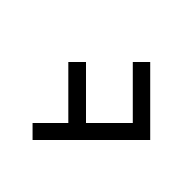
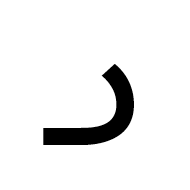
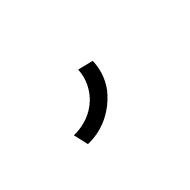
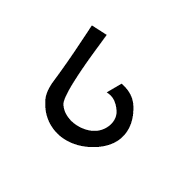
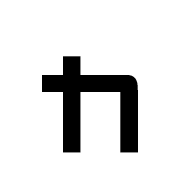
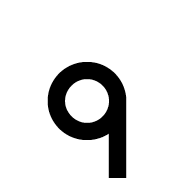
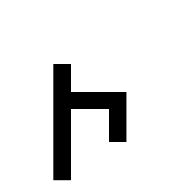
Below you will find all the characters that are in the Hatran unicode block. Currently there are 26 characters in this block.