Inscriptional Pahlavi Unicode Block
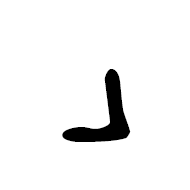
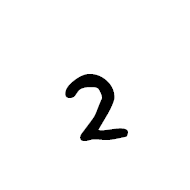
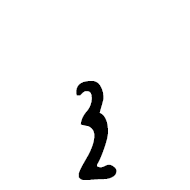
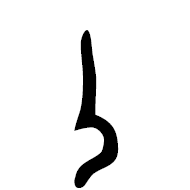
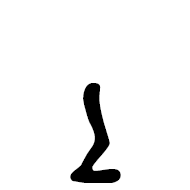
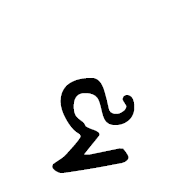
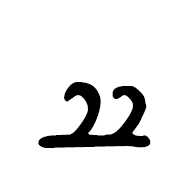
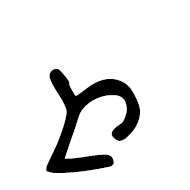
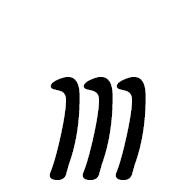
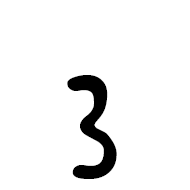
The Inscriptional Pahlavi Unicode block is a designated range within the Unicode Standard, aimed at encoding characters used in the Pahlavi script. This script was historically employed for writing Middle Persian, a language from the Iranian branch of the Indo-Iranian languages that was widely used during the Sassanian Empire period, roughly between the 3rd to the 7th century CE. The Inscriptional Pahlavi block is specifically tailored to represent the formal inscriptions found on monuments and official objects, distinguishing it from the Book Pahlavi script which was used for religious manuscripts. Within the Unicode block, there are 27 allocated code points, ranging from U+10B60 to U+10B7F, which include essential characters such as letters, numerals, and punctuation marks that were typical in ancient inscriptions.
These encoded symbols play a crucial role in preserving and aiding the study of Middle Persian cultural and historical artifacts. By digitizing the script, researchers and historians can more easily access and analyze texts that are pivotal to understanding the socio-cultural and political nuances of the Sassanian era. Furthermore, the inclusion of the Inscriptional Pahlavi block in Unicode facilitates its use in digital libraries, educational platforms, and software applications, ensuring that the script remains an enduring part of our shared global heritage. This modern representation of an ancient script exemplifies the Unicode Consortium’s mission to provide a universal standard for digital text representation, bridging the gap between historical linguistics and modern technology.
View a range of fonts that support the Inscriptional Pahlavi block.
Below you will find all the characters that are in the Inscriptional Pahlavi unicode block. Currently there are 27 characters in this block.