Kaithi Unicode Block
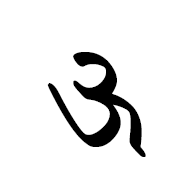
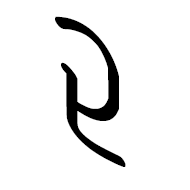
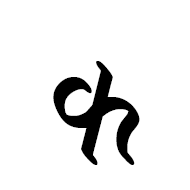
The Kaithi Unicode block is dedicated to characters from the Kaithi script, an ancient writing system historically used across several regions in northern India. This script was prevalent in administrative, legal, and educational contexts during the 16th to the 19th centuries, primarily in the states of Bihar, Jharkhand, and Uttar Pradesh. Kaithi was employed for a variety of languages, including Awadhi, Bhojpuri, Magahi, Maithili, and Urdu, among others. The Unicode block for Kaithi ranges from U+11080 to U+110CF, encompassing 66 characters that capture the essential aspects of the script's alphabetic and numeric systems, allowing for the encoding of various language texts in digital format.
The inclusion of Kaithi in the Unicode Standard is part of a broader effort to preserve and digitize historical scripts, ensuring they remain accessible in the modern era. This action supports the cultural and linguistic study of the region's historical documents, providing researchers, historians, and linguists a valuable tool to access and share knowledge. Despite falling out of common usage in the early 20th century as other scripts like Devanagari gained predominance, Kaithi's digitization helps safeguard a vital component of the cultural heritage of northern India, allowing for its exploration and potential revitalization within historical and educational contexts.
View a range of fonts that support the Kaithi block.
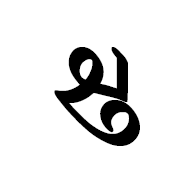
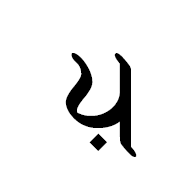
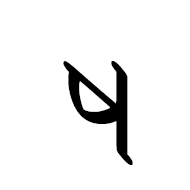
Below you will find all the characters that are in the Kaithi unicode block. Currently there are 68 characters in this block.