Linear B Syllabary Unicode Block
The Linear B Syllabary Unicode block is a fascinating and significant collection of characters that captures an essential part of ancient linguistic history. Spanning from U+10000 to U+1007F, this block encompasses a vast array of symbols used in one of the earliest forms of written Greek, dating back to the Mycenaean civilization around 1450 BCE. The Linear B script was primarily used for administrative purposes and inscribed on clay tablets found in archaeological sites such as Knossos, Pylos, and Mycenae. Consisting of 87 syllabic signs along with a number of ideograms, the script was eventually deciphered in the 1950s by Michael Ventris and John Chadwick, an achievement that shed light on early Greek society and its economic, social, and religious practices.
The Unicode block for Linear B Syllabary plays a crucial role in digital humanities by allowing scholars and researchers to access, preserve, and study these ancient texts in electronic forms. The digitization of these symbols not only aids academic inquiry but also enhances educational resources, making the enigmatic world of the Mycenaeans accessible to a broader audience. By providing standardized encoding of the Linear B script, Unicode promotes consistency and interoperability across digital platforms, facilitating an accurate representation of the script in databases, publications, and education materials. This block exemplifies how modern technology can intersect with ancient history, ensuring the endurance of this early form of writing and reinforcing its importance in the study of linguistics and ancient civilizations.
View a range of fonts that support the Linear B Syllabary block.
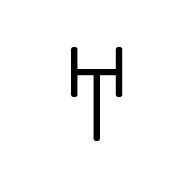
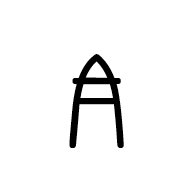
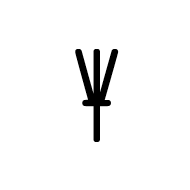
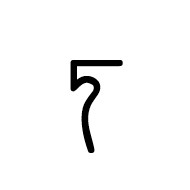
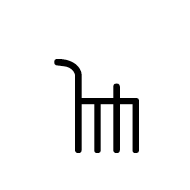
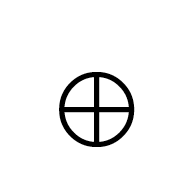
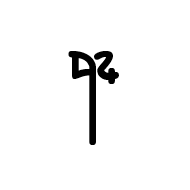
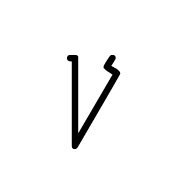
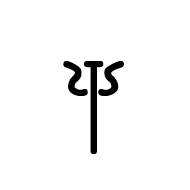
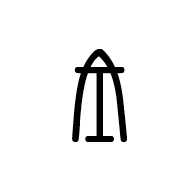
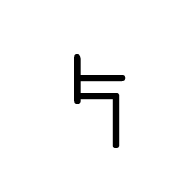
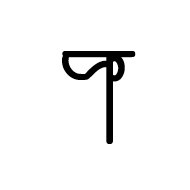
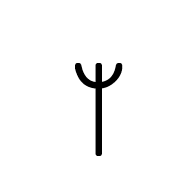
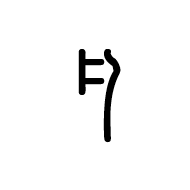
Below you will find all the characters that are in the Linear B Syllabary unicode block. Currently there are 88 characters in this block.