Nandinagari Unicode Block
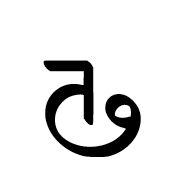
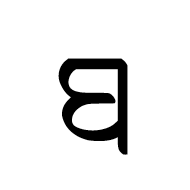
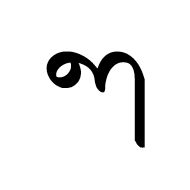
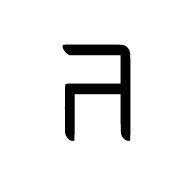
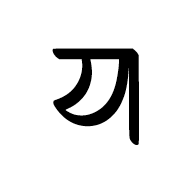
The Unicode block "Nandinagari" is dedicated to a historical script that was used predominantly in southern India from the 7th century to the 19th century. Nandinagari is an abugida, a type of writing system where each character typically represents a consonant with an inherent vowel sound that can be altered with diacritical marks to denote different vowels. Originating as a variant of the Brahmi script, Nandinagari was primarily utilized for writing Sanskrit, the liturgical language of Hinduism, Buddhism, and Jainism, and was employed in a variety of manuscripts, inscriptions, and religious texts. The script is characterized by its ornate and rounded shapes, setting it apart visually from its northern counterpart, the Devanagari script.
The Unicode block for Nandinagari, ranging from U+119A0 to U+119FF, was added in the Unicode Standard to ensure the digital preservation and representation of this ancient script. This inclusion allows for the encoding and decoding of historical texts, enabling scholars and enthusiasts to study and preserve the linguistic heritage associated with the Nandinagari script. Unicode support facilitates the script's use in digital platforms, promoting broader access to historical texts and scholarly materials, and ensuring that the script remains an integral part of the global digital landscape. As with other Unicode blocks representing historical scripts, the inclusion of Nandinagari underscores the importance of preserving cultural heritage and linguistic diversity through modern technological standards.
View a range of fonts that support the Nandinagari block.
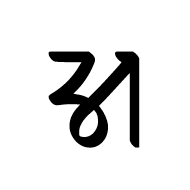
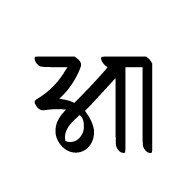
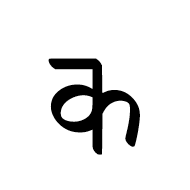
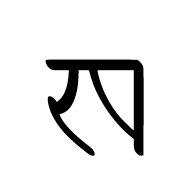
Below you will find all the characters that are in the Nandinagari unicode block. Currently there are 65 characters in this block.