Osmanya Unicode Block
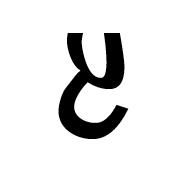
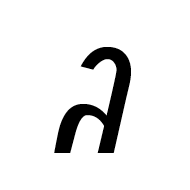
The Osmanya Unicode block is dedicated to the representation of the Osmanya script, which is primarily used for writing the Somali language. This script was devised in the early 20th century by Osman Yusuf Kenadid as part of a broader cultural renaissance in Somalia aiming to develop a script that was more suited to the phonological characteristics of the Somali language compared to the Arabic script traditionally used. Osmanya consists of 40 characters, each representing a distinct sound, and is noted for its straightforward, cursive style that reflects both indigenous and external influences. It ultimately served a vital role in cultural preservation and literary expression, embodying the linguistic and national identity of the Somali people during a period of significant sociopolitical change.
Within the Unicode Standard, the Osmanya block spans from U+10480 to U+104AF, providing a digital means to encode texts in the Osmanya script for contemporary computing systems. This inclusion in the Unicode Standard is crucial for the preservation and revitalization of the script, allowing it to be used in modern text processing and digital communication platforms. The digital representation of Osmanya supports efforts in linguistic documentation, education, and cultural heritage projects, ensuring the script remains accessible and relevant. By accommodating this script within Unicode, there is an increased opportunity for research, scholarly study, and creative use, ensuring that an important aspect of Somali cultural history is not lost but rather integrated into the diverse tapestry of global written languages.
View a range of fonts that support the Osmanya block.
Below you will find all the characters that are in the Osmanya unicode block. Currently there are 40 characters in this block.