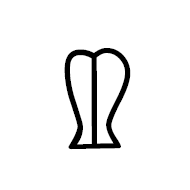
Phaistos Disc Unicode Block
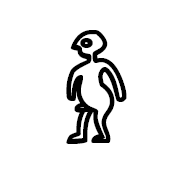
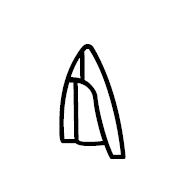
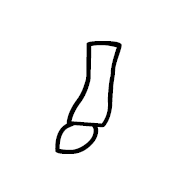
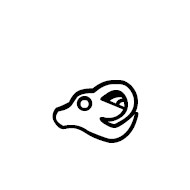
The Phaistos Disc is a unique and intriguing artifact, found in the Minoan palace of Phaistos on the Greek island of Crete. Thought to date back to the second millennium BCE, the disc is a circular piece of fired clay, about 15 cm in diameter, and is inscribed with a series of symbols arranged in a spiral pattern. The symbols are stamped into the clay and appear to represent an unknown script or language, capturing the imagination of archaeologists and linguists alike. Despite numerous attempts, the "writing" on the Phaistos Disc has not been definitively deciphered, and it remains one of the most enigmatic scripts in the study of ancient languages.
As part of the Unicode Standard, the Phaistos Disc block was introduced to digitally represent the unique symbols found on the disc. This Unicode block ranges from U+101D0 to U+101FF and includes 46 characters that correspond to the distinct symbols imprinted on the artifact. The encoding facilitates academic study, digital documentation, and the popular exploration of this ancient mystery in the digital age. Through this encoding effort, the symbols of the Phaistos Disc are preserved and remain accessible for researchers and enthusiasts who seek to unfold the secrets of this Bronze Age relic, fostering continued interest and scholarship around this enigmatic piece of human history.
View a range of fonts that support the Phaistos Disc block.
Below you will find all the characters that are in the Phaistos Disc unicode block. Currently there are 46 characters in this block.