Playing Cards Unicode Block
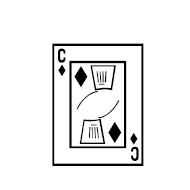
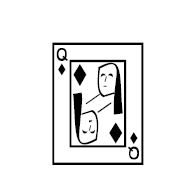
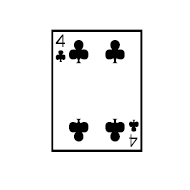
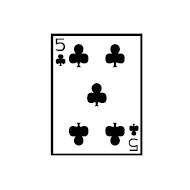
The Unicode block "Playing Cards" is a specialized collection of symbols within the Unicode Standard, encompassing a range of characters that represent the suits and ranks of traditional playing cards. This block, which spans the Unicode range from U+1F0A0 to U+1F0FF, includes a diverse assortment of card symbols that cater to the representation of a standard deck of playing cards, including the suits of spades, hearts, diamonds, and clubs. Additionally, the block accounts for both the red and black color variations traditionally associated with these suits. This standardized encoding allows for the consistent display and processing of playing card symbols across different platforms and devices, ensuring uniformity and accuracy in digital communications, card games, or other applications that involve card imagery.
Beyond the standard ace through king representation, the Playing Cards block also includes specific characters for some regional and historical card variations, such as the tarot suits and other special cards like the joker. These extensions accommodate various cultural card games around the world, allowing for a richer and more inclusive set of symbols. This diversity in representation not only facilitates a broader range of gaming and entertainment applications but also provides opportunities for cultural preservation and exploration of traditional and regional card games. By incorporating these characters into the Unicode Standard, digital systems can accurately support a wide array of card-related activities and enhance user experiences by providing a visual and textual representation of card games that transcends language barriers.
View a range of fonts that support the Playing Cards block.
Below you will find all the characters that are in the Playing Cards unicode block. Currently there are 82 characters in this block.