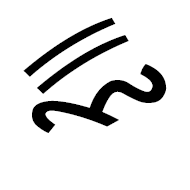
Rumi Numeral Symbols Unicode Block
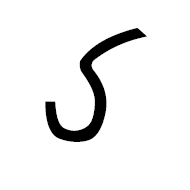
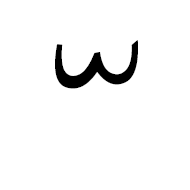
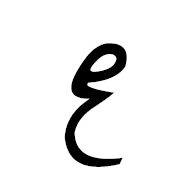
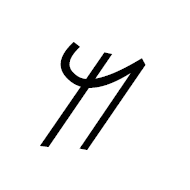
The Rumi Numeral Symbols Unicode block is a collection of characters that represent a historical numeration system used in parts of the Islamic world during the Middle Ages. These numeral symbols are named after the famous Persian poet and scholar Jalal ad-Din Rumi, though they are more broadly associated with the mathematical advancements made during the Islamic Golden Age. The Rumi numeral system was utilized in various regions, such as the Maghreb and al-Andalus, and it played a critical role in commerce, astronomy, and scholarly pursuits. The numerals are distinctive for their unique shapes and are particularly notable for being non-decimal, in contrast to other numeral systems that predominated after the rise of Arabic numerals.
The Unicode block dedicated to Rumi Numeral Symbols contains characters that enable the digital representation and preservation of these historic numerals, facilitating their study and use in modern contexts. This collection of symbols provides a valuable resource for historians, mathematicians, and digital humanists interested in exploring non-Western numerical systems and their applications. By incorporating these symbols into the Unicode Standard, the block ensures that the unique cultural heritage embodied by the Rumi numerals is accessible to a global audience and can be incorporated into digital texts, databases, and educational materials, thus promoting a deeper appreciation of the mathematical and cultural achievements of the medieval Islamic world.
View a range of fonts that support the Rumi Numeral Symbols block.
Below you will find all the characters that are in the Rumi Numeral Symbols unicode block. Currently there are 31 characters in this block.