Samaritan Unicode Block
The Samaritan Unicode block is a collection of characters specifically designed to represent the Samaritan script, used by the Samaritan community primarily to write the Samaritan Hebrew and Samaritan Aramaic languages. This block is defined within the range U+0800 to U+083F and incorporates a variety of characters, including consonants, vowels, punctuation marks, and numbers, which are essential for writing in the traditional script. The script itself is an ancient derivative of the Paleo-Hebrew alphabet, and it is closely related to the script used by the ancient Israelites before the Babylonian exile. This close historical connection makes the Samaritan script significantly valuable for the study of ancient Semitic languages and for understanding the historical linguistic landscape of the Near East.
The implementation of the Samaritan block in Unicode is crucial for the digital representation and preservation of the Samaritan cultural heritage and their sacred texts, most notably the Samaritan Pentateuch, a version of the Torah. The inclusion of these characters in Unicode facilitates academic research by allowing scholars around the world to access, exchange, and study these texts electronically. It also supports the cultural identity of the Samaritan community, enabling them to use digital technology to produce religious and educational materials in their traditional script. Furthermore, this inclusion in Unicode ensures that the Samaritan script is preserved for future generations, providing a reliable means to document and study this unique cultural treasure globally.
View a range of fonts that support the Samaritan block.
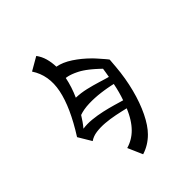
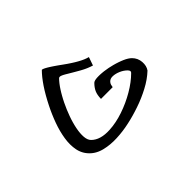
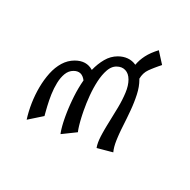
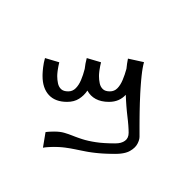
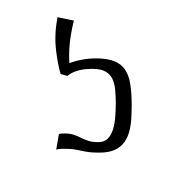
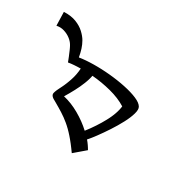
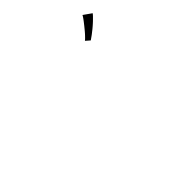
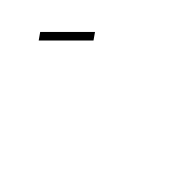
Below you will find all the characters that are in the Samaritan unicode block. Currently there are 61 characters in this block.