Sharada Unicode Block
The Sharada Unicode block is a designated range within the Unicode standard used to represent the Sharada script, an abugida historically used in the northwestern regions of the Indian subcontinent, particularly in what is present-day Kashmir. This script, which dates back to around the 8th century CE, was predominantly employed for writing Sanskrit and Kashmiri. The decay of Sharada's use began around the 19th century as it was gradually replaced by the Devanagari and Persian scripts for most practical applications. However, Sharada remains a significant script for understanding historical texts and is still used for religious and scholarly purposes among certain communities.
Occupying the Unicode range from U+11180 to U+111DF, the Sharada block contains characters that are essential for writing the consonants and vowels typical to the script, along with various signs such as virama and anusvara. Additionally, numeral characters specific to Sharada are included in this block. The inclusion of Sharada in Unicode is part of a broader effort to digitally preserve and support the diverse array of scripts worldwide, ensuring that the cultural heritage embodied in ancient manuscripts can be accessed and studied through modern technology. The encoding of Sharada in Unicode enables digital storage, search, and analysis of texts that are composed in this historically significant script, contributing to linguistic and historical research.
View a range of fonts that support the Sharada block.
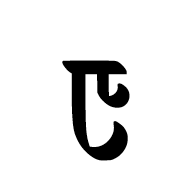
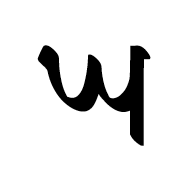
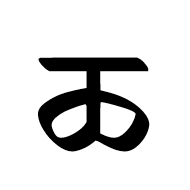
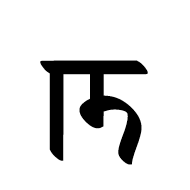
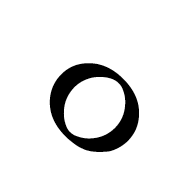
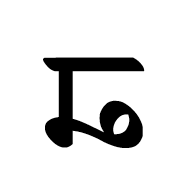
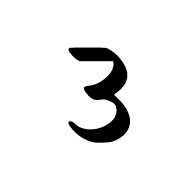
Below you will find all the characters that are in the Sharada unicode block. Currently there are 96 characters in this block.