Tagbanwa Unicode Block
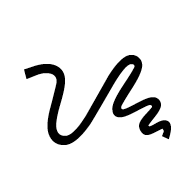
The Tagbanwa Unicode block is a range of characters specifically allocated to represent the Tagbanwa script, a writing system traditionally used by the Tagbanwa people native to the Palawan region of the Philippines. This script is one of several indigenous writing systems in the Philippines and is part of the broader Brahmic family of scripts, which also includes scripts like Devanagari and Tamil. The Unicode block for Tagbanwa spans from U+1760 to U+177F, accommodating the basic characters needed for writing the Tagbanwa language, which primarily consists of consonants and vowels that are inherently linked in the script structure. Each character within this block serves the purpose of representing consonant-vowel syllables, defining a structure that allows for efficient and logical written communication in the Tagbanwa language.
Incorporating the Tagbanwa script into the Unicode Standard was a crucial step in preserving the linguistic heritage of the Tagbanwa people. Due to various factors, including colonial influence and modernization, many indigenous scripts have faced the threat of extinction. By encoding the Tagbanwa script into Unicode, not only is it preserved for future digital and academic research, but it is also made more accessible to those who wish to learn and revitalize the use of the script. By preserving this script within the digital landscape, the Tagbanwa Unicode block represents not just a technical specification, but a cultural and historical preservation effort, providing an essential tool for cultural identity and continuity among the Tagbanwa people.
View a range of fonts that support the Tagbanwa block.
Below you will find all the characters that are in the Tagbanwa unicode block. Currently there are 18 characters in this block.