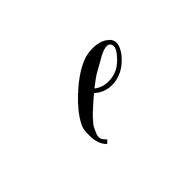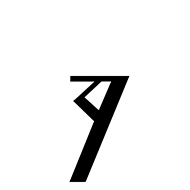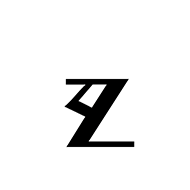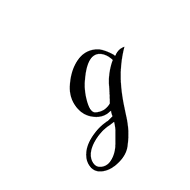
Todhri Unicode Block
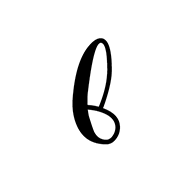
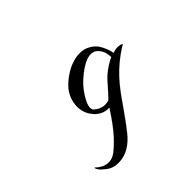
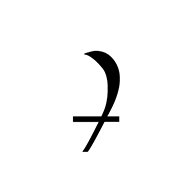
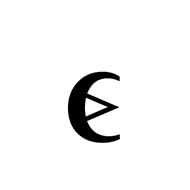
The Todhri Unicode block is a specialized character set that represents the Todhri alphabet, which was historically used for the Albanian language. Named after Theodor Haxhifilipi, also known as Dhaskal Todhri, this script was developed in the late 18th century and remained in use in certain Albanian-speaking regions until the transition to the Latin alphabet in the 20th century. The adoption of the Todhri script was part of a broader cultural effort to standardize written Albanian and facilitate education. As with many early scripts, its use was largely localized and varied in form before it eventually fell out of widespread use. The revival of interest in preserving cultural heritage and linguistic history has led to the inclusion of the Todhri script in the Unicode standard.
In terms of its structure, the Todhri block in Unicode encompasses a range of characters that capture the unique phonetic elements of the Albanian language as interpreted by Dhaskal Todhri. This includes characters representing specific phonemes and diacritics used in the original script. The inclusion of the Todhri script in Unicode is an effort to digitally preserve this part of Albanian linguistic history, providing researchers, historians, and language enthusiasts with tools to study and reproduce texts that were originally written in this script. By supporting the Todhri block, Unicode not only aids in the preservation of cultural history but also assists in broadening the accessibility and comprehension of historical documents that might otherwise be lost to time.
View a range of fonts that support the Todhri block.
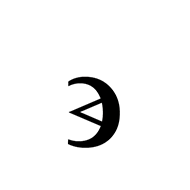
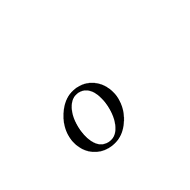
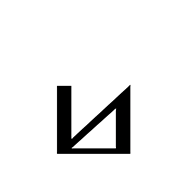
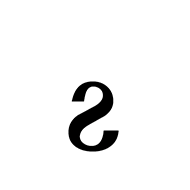
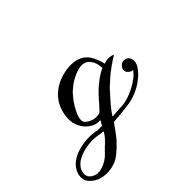
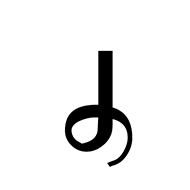
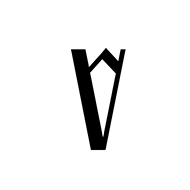
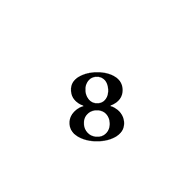
Below you will find all the characters that are in the Todhri unicode block. Currently there are 52 characters in this block.