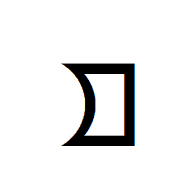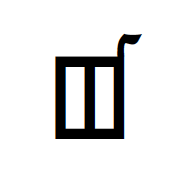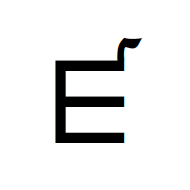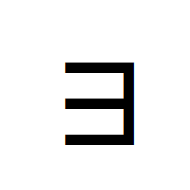
Zanabazar Square Unicode Block
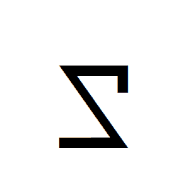
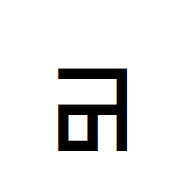
Zanabazar Square is a Unicode block that encompasses characters used primarily for scripting the Zanabazar Square script, which was devised in 1686 by the Mongolian monk and scholar Zanabazar. This script is also known as "Horizontal Square Script" and was initially created to write in the Mongolian language. Over time, it was adapted for use with other languages, such as Tibetan and Sanskrit, particularly in a religious and ceremonial context. The block itself is significant as it preserves the cultural and historical heritage associated with the Zanabazar Square script, providing a digital means to reproduce texts that are important for the cultural identity and historical literature of Mongolian Buddhist communities.
Defined within the Unicode Standard, the Zanabazar Square block spans the range from U+11A00 to U+11A4F. This range includes letters, digits, and several other symbols necessary for accurate representation and transcription of the script. In the digital age, the inclusion of Zanabazar Square in Unicode ensures that texts written in this script can be stored, processed, and displayed consistently across platforms, contributing to the preservation of linguistic diversity and enabling scholarly research. By facilitating digital use, the Unicode block promotes the continued study and appreciation of ancient script traditions while supporting the cultural needs of the communities that use them.
View a range of fonts that support the Zanabazar Square block.
Below you will find all the characters that are in the Zanabazar Square unicode block. Currently there are 72 characters in this block.