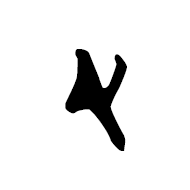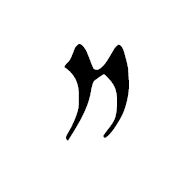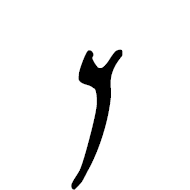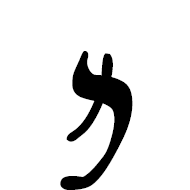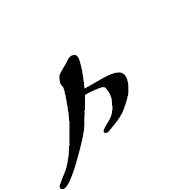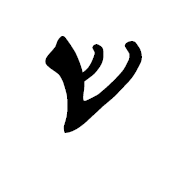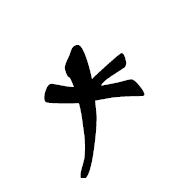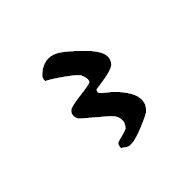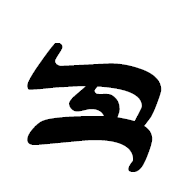
Imperial Aramaic Unicode Script
The Imperial Aramaic Unicode script is a collection of characters used for the representation of the ancient writing system associated with the Aramaic language, which flourished as a lingua franca across various empires of the ancient Near East. Developed initially in the region of modern-day Syria, Aramaic became the lingua franca during the Neo-Assyrian Empire (911–605 BCE), and its use continued to expand vastly under the Achaemenid Empire (c. 550–330 BCE). The Unicode implementation of Imperial Aramaic encompasses a selection of characters that reflect this influential script's historical significance and its role in administrative, commercial, and scholarly communication across vast territories, including parts of modern-day Iran, Iraq, Israel, and Egypt.
The Unicode block for Imperial Aramaic, ranging from U+10840 to U+1085F, enables digital scholars, linguists, and enthusiasts of ancient scripts to accurately represent texts from a critical period of cultural and linguistic amalgamation. Spanning a mere 26 code points, this block covers the essential consonantal marks used in classic Aramaic, supporting the digital conservation, study, and dissemination of historical documents that bear witness to centuries of human interaction and governance. Utilizing this script in digital media opens new avenues for academic research, fostering a better understanding of the evolution of written communication and further illuminating the trans-regional exchange of ideas and knowledge facilitated by the widespread use of Aramaic.
Below you will find all the characters that are in the 'Imperial Aramaic' unicode script category. Currently there are 31 characters in this category.