Cypriot Syllabary Unicode Script
The Cypriot Syllabary is an ancient writing system used predominantly on the island of Cyprus during the Iron Age, from approximately the 11th to the 4th centuries BCE. This script is primarily associated with the Greek language, although earlier instances show its use for the indigenous Eteocypriot language, indicating its adaptation over time. Unlike an alphabet, the Cypriot Syllabary is syllabic, representing syllables with unique symbols. It comprises around 56 symbols, each corresponding to a combination of a consonant and a vowel, mirroring the phonetic structure of spoken Greek. Its development reflects influences from other writing systems, most notably the Linear A and Linear B scripts used in Minoan and Mycenaean Greece, respectively. The script is a significant cultural artifact, providing insight into the linguistic and social exchanges prevalent in the Eastern Mediterranean during this time.
The archaeological discovery of inscriptions in the Cypriot Syllabary across various sites on Cyprus suggests that it was used for a range of administrative, ceremonial, and personal purposes. Inscriptions have been found on a variety of media including stone slabs, pottery, and metal objects, underscoring its role in both secular and sacred contexts. Although the script fell out of use following the Hellenistic period, replaced by the more dominant Greek alphabet, its decipherment in the 19th century revitalized scholarly interest in ancient Cypriot culture. The continuing study of the Cypriot Syllabary provides valuable insights not only into the ancient linguistic landscape of the region but also into the cultural and political dynamics of classical antiquity. Today, it remains a subject of academic curiosity and a testament to the rich tapestry of Mediterranean history.
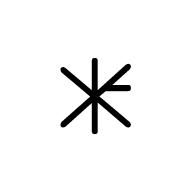
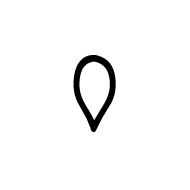
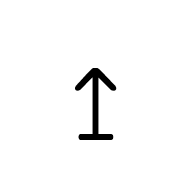
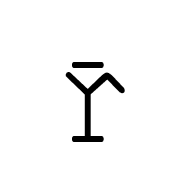
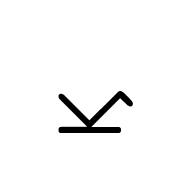
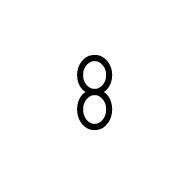
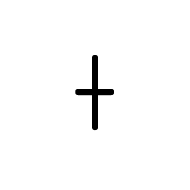
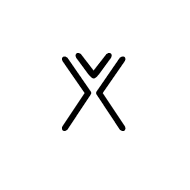
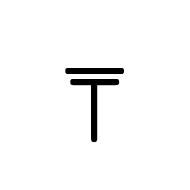
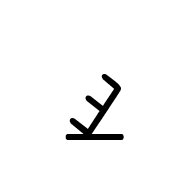
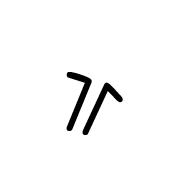
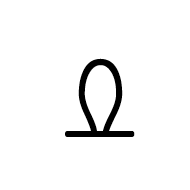
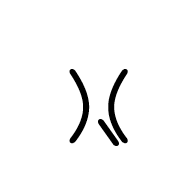
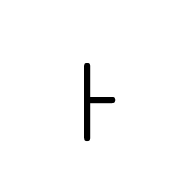
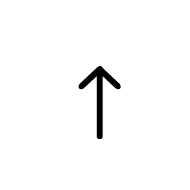
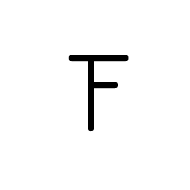
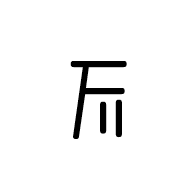
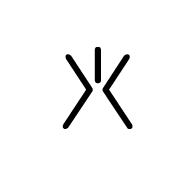
Below you will find all the characters that are in the 'Cypriot Syllabary' unicode script category. Currently there are 55 characters in this category.