Dogra Unicode Script
The Dogra script is an abugida used historically for writing the Dogri language, primarily spoken in the Jammu region of India. This script is part of the broader family of Brahmic scripts, which are characterized by their use of diacritical marks to denote vowels and their genesis in ancient India. The Dogra script bears similarities to other northern Indian scripts such as Takri, from which it is derived. It features a left-to-right writing orientation and involves distinct characters for consonants, vowels, and various conjuncts. The script enjoyed predominance in the region until the adoption of the Devanagari script for Dogri. It served not just as a literary medium for local literature but also for administrative and official documentation during the Dogra dynasty, providing a unique identity to the linguistic culture of Jammu.
With the official recognition of Dogri as one of India's scheduled languages and the broader efforts towards preserving linguistic heritage, interest in the Dogra script has seen a revival among scholars and language enthusiasts. The script, though not widely used in practical scenarios today, is studied for its historical significance and its role in the evolution of written Dogri. Efforts are underway within academic circles to document, digitize, and promote the script’s usage, ensuring that this cultural artifact is not lost to time. Additionally, the inclusion of the Dogra script in the Unicode Standard facilitates its transmission and accessibility in digital formats, enabling a renewed focus on preserving this traditional script for future generations.
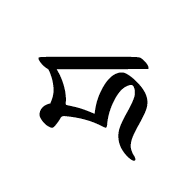
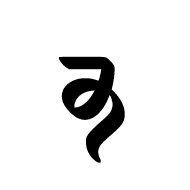
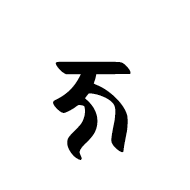
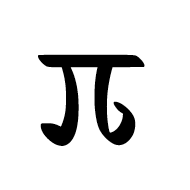
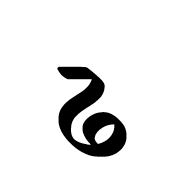
Below you will find all the characters that are in the 'Dogra' unicode script category. Currently there are 60 characters in this category.