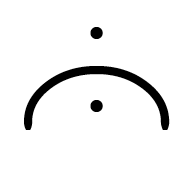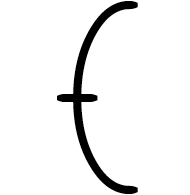
Duployan Shorthand Unicode Script
Duployan shorthand is a Unicode script designed to represent a variety of stenographic writing systems developed by Emile Duployé in the 19th century. It is primarily used for rapid writing and transcription, allowing for swift note-taking by reducing complex languages into simplified symbols. The core concept of Duployan shorthand is to capture the phonetic essence of words rather than focusing on their spelling, which makes it especially useful for languages with complex orthographies. The symbols are typically a combination of curves, hooks, lines, and loops, which are connected in various configurations to represent sounds. Its flexibility and adaptability have allowed it to be applied to multiple languages, including French, English, and Romanian, each adapted to fit the phonetic needs of the language.
In the modern digital landscape, the Duployan script was incorporated into the Unicode Standard to facilitate its use in digital communication and preservation. Since its inclusion, the script has been employed not only by historians and linguists interested in stenographic practices but also by enthusiasts and professionals eager to apply shorthand to contemporary note-taking scenarios. Although it remains a niche script compared to widely used writing systems, Duployan shorthand’s incorporation into Unicode underscores the importance of preserving diverse methods of written communication. Its presence in the digital domain ensures that the script can be perpetually used, studied, and revived by current and future generations, thereby retaining its practical and historical significance in understanding human linguistic innovation.
Below you will find all the characters that are in the 'Duployan Shorthand' unicode script category. Currently there are 143 characters in this category.