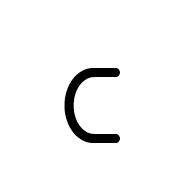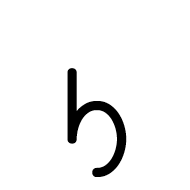
Elbasan Unicode Script
The Elbasan script is a unique alphabetic writing system that emerged in the 18th century in the region around Elbasan, a city in central Albania. It was devised by Orthodox Christian clerics with the purpose of writing the Albanian language, offering a culturally distinct script separate from more widespread scripts like Greek or Latin, which were commonly used in the region at the time. The script contains 40 letters, each representing specific phonetic sounds of the Albanian language, thereby encapsulating its phonological structure with precision. Though its use was relatively brief and localized, the Elbasan script is a fascinating example of linguistic innovation and cultural identity seeking expression through typography.
Unicode acknowledges the historical significance of the Elbasan script by assigning it a unique block in the Unicode Standard, allowing for its preservation and enabling digital encoding. This inclusion underscores efforts to preserve diverse cultural heritages and provides a tool for researchers and enthusiasts interested in the linguistic and cultural history of Albania. Although the script itself did not gain widespread adoption—largely due to sociopolitical changes and the dominance of other scripts—it remains a vital piece of Albania's written heritage, offering insight into the region’s past and the efforts of its people to commemorate their language and identity through unique means.
Below you will find all the characters that are in the 'Elbasan' unicode script category. Currently there are 40 characters in this category.