Kirat Rai Unicode Script
The Kirat Rai script, also known as Kirati Rai, is an indigenous writing system linked to the Kirat Rai communities of Nepal and northeastern India. This script serves as a vital cultural emblem for the Kirat Rai people, who have a rich history and distinct linguistic identity. Originating from the sinuous hills and terrains of the Himalayas, the script is utilized primarily for the articulation of the Bantawa language, which belongs to the Tibeto-Burman family. The Kirat Rai script underscores the community's efforts to preserve and strengthen their linguistic heritage amidst the broader socio-cultural currents of South Asia. Traditionally, the script holds great historical significance as it revives the spirituality and ancestral traditions of the Kirat Rai, reflected in oral histories, folklore, and religious texts.
Efforts to digitally encode the Kirat Rai script in the Unicode Standard represent a crucial step toward the conservation and revitalization of this linguistic heritage. As with many indigenous scripts, the digital availability of Kirat Rai can empower the Kirat communities to produce and share written content across various platforms, ensuring the script's contemporary relevance and visibility. By offering support for text processing and rendering in digital environments, Unicode inclusion helps in mitigating the challenges posed by the dominance of major languages and scripts. Moreover, this initiative is fundamental in educational contexts, enabling younger generations to access learning materials in their ancestral script and fostering a stronger connection to their cultural roots. Consequently, the Kirat Rai script embodies more than just a means of communication; it is an instrument of cultural pride and identity preservation.
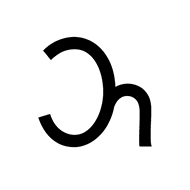
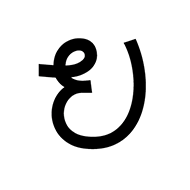
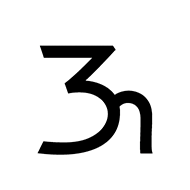
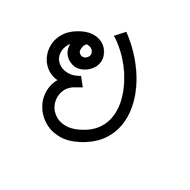
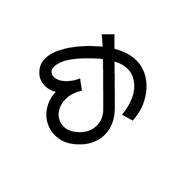
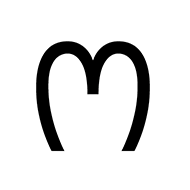
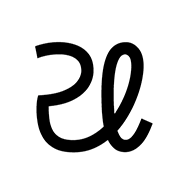
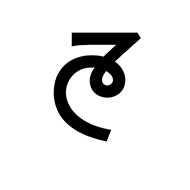
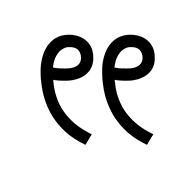
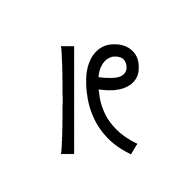
Below you will find all the characters that are in the 'Kirat Rai' unicode script category. Currently there are 58 characters in this category.