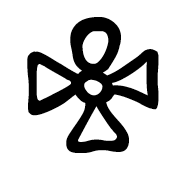
Meroitic Hieroglyphs Unicode Script
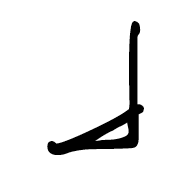
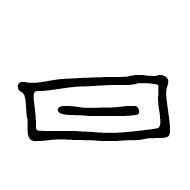
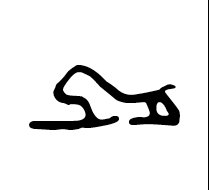
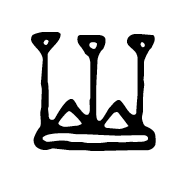
Meroitic Hieroglyphs are part of an ancient script that was used in the Kingdom of Meroë, located in what is now Sudan, during the late Kingdom of Kush. Flourishing from approximately 300 BCE to 400 CE, this script represents one of the most mysterious writing systems of the ancient world. Unlike Egyptian hieroglyphs, Meroitic Hieroglyphs are primarily phonetic, consisting of alphabetic characters with additional syllabic signs. This script was used alongside Meroitic Cursive, the latter being more prevalent for record-keeping and religious texts, while Meroitic Hieroglyphs were typically reserved for monumental inscriptions and religious contexts. The Hieroglyphic variant employs a set of over 50 symbols, each with distinct phonetic values, lending insight into the linguistic structure of the Meroitic language, which remains only partially understood today.
The decipherment of Meroitic Hieroglyphs has been challenging due to the scarcity of bilingual texts comparable to the Rosetta Stone, which was crucial in deciphering Egyptian hieroglyphs. Despite these challenges, significant progress has been made by scholars who have determined a large portion of the phonetic and syntactic structure of the language. However, the full meaning of many words and sentences remains elusive, with the lack of extensive documentation and cultural knowledge further complicating efforts to fully interpret the script. Nevertheless, research continues in the hopes of unlocking the history and culture of the Meroitic civilization, shedding light on their connections with neighboring African and Mediterranean cultures. The study of Meroitic Hieroglyphs continues to be an exciting field, offering the promise of new discoveries about one of Africa's ancient civilizations.
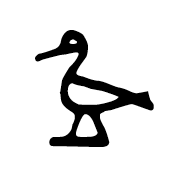
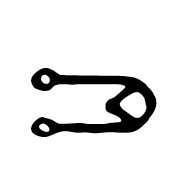
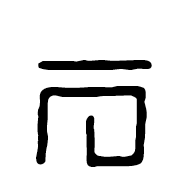
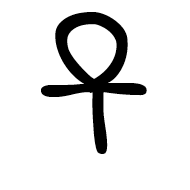
Below you will find all the characters that are in the 'Meroitic Hieroglyphs' unicode script category. Currently there are 32 characters in this category.