Nag Mundari Unicode Script
The Nag Mundari script, also known as the Mundari Bani, is a writing system devised for the Mundari language, primarily spoken by the Munda people in parts of India, especially in the regions of Jharkhand, Odisha, and West Bengal. Developed relatively recently in the 20th century, the script was designed to provide a more culturally relevant and phonologically accurate representation of the Mundari language, which previously relied on other scripts like Devanagari, Oriya, or Bengali for written communication. One of the key motivations behind the creation of the Nag Mundari script was to foster a sense of cultural identity and linguistic pride among the Mundari-speaking communities by promoting literacy in their native tongue through a script that resonates more closely with their linguistic heritage.
Characterized by its distinct visual style, the Nag Mundari script comprises a unique set of characters that cater to the specific phonetic requirements of the Mundari language. This script includes consonants and vowels, incorporating diacritics and modifiers to accurately capture the sounds that are unique to Mundari. Unlike the neighboring scripts influenced by Brahmi-derived writing systems, Nag Mundari stands out with its innovative design tailored explicitly for Mundari speakers. Its development is a testament to the broader push for language preservation and the diversification of scripts across the linguistic landscape of India, contributing to the cultural tapestry by celebrating the linguistic nuances of the indigenous Munda people.
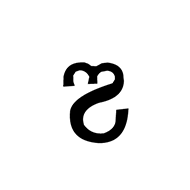
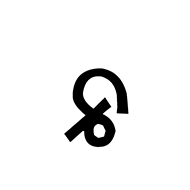
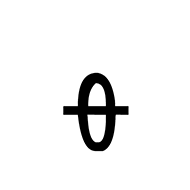
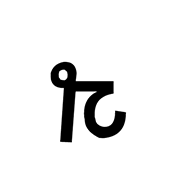
Below you will find all the characters that are in the 'Nag Mundari' unicode script category. Currently there are 42 characters in this category.