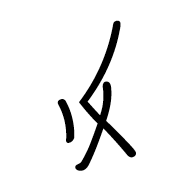
Nüshu Unicode Script
Nüshu is a unique script that was historically used exclusively by women in the Jiangyong County of Hunan Province, in southern China. Developed in a cultural environment where education and literacy were typically restricted to men, Nüshu emerged as a means of private communication among women, enabling them to express their thoughts, emotions, and stories in a format that was hidden from the male-dominated society. Distinctively different from Hanzi, the common Chinese script, Nüshu employs a syllabic script with more than a thousand characters, many of which bear a strikingly elegant and elongated form reminiscent of embroidery stitches. This aesthetic quality not only emphasizes its visual appeal but also reflects the creative artistry of the women who used it, making it a cultural treasure as well as a linguistic innovation.
The revival of interest in Nüshu has expanded in recent years, as scholars and cultural enthusiasts work to preserve this ancient script against the tides of modernization and globalization. Historically, it was passed down orally from mother to daughter, which positioned it as a vehicle for preserving folklore, poetry, and personal correspondence. This oral tradition is synonymous with the intimate bond within the community of women, where songs and writings often spoke to shared experiences, joys, and sorrows. Today, Nüshu holds a valuable place in understanding gender dynamics, cultural identity, and the power of literacy in women's empowerment. Efforts to document and study Nüshu have not only shed light on this fascinating script but also reaffirmed the importance of safeguarding minority languages and scripts as integral components of our global cultural heritage.
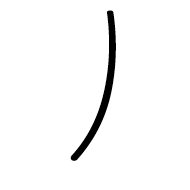
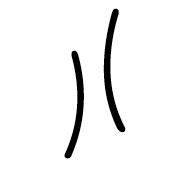
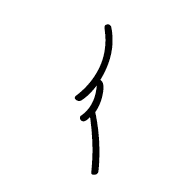
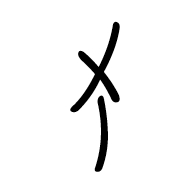
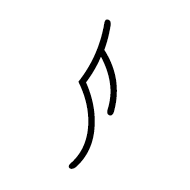
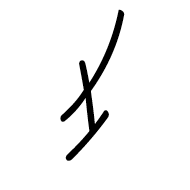
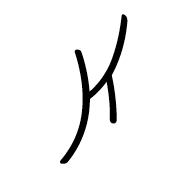
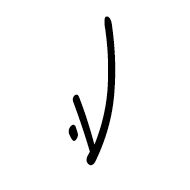
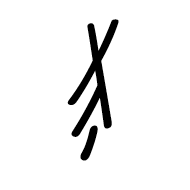
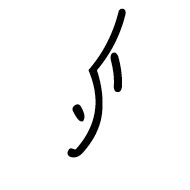
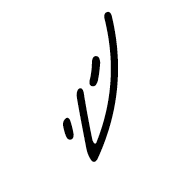
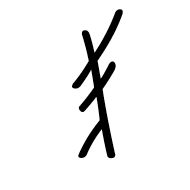
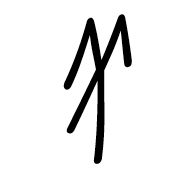
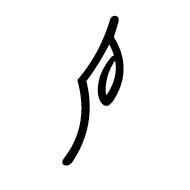
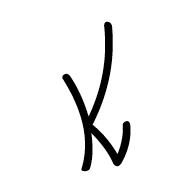
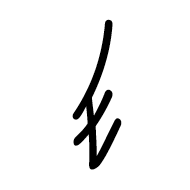
Below you will find all the characters that are in the 'Nüshu' unicode script category. Currently there are 397 characters in this category.