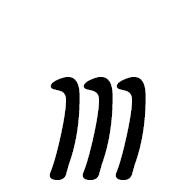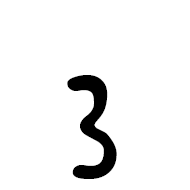
Inscriptional Pahlavi Unicode Script
Inscriptional Pahlavi is an ancient script that belongs to the family of Middle Persian scripts and was primarily used during the Sassanian Empire, which ruled from 224 to 651 CE. This script is a descendant of the Aramaic script and was utilized for official inscriptions by Zoroastrian priests, particularly found engraved on stone monuments and coins, which represent one of the significant cultural and historical legacies of ancient Persia. Inscriptional Pahlavi, unlike its manuscript counterpart Book Pahlavi, features a more monumental style that was suitable for carving into stone. It differs in its use of fewer ligatures and a more linear style, making inscriptions more legible and durable through time.
A defining characteristic of Inscriptional Pahlavi is its combination of ideograms and phonetic signs inherited from the Aramaic script, which further evolved into a unique system with a complex representation of Middle Persian language features. Typically written from right to left, the script includes distinct letters, many of which have visual cues linking back to the Aramaic parent script. This script was not only valuable for administrative and religious purposes but also served as a symbol of power and prestige of the Sassanian kings, encapsulating their achievements and decrees into stone. Today, Inscriptional Pahlavi remains a crucial subject of study for historians and linguists aiming to understand the Sassanian period's structure of governance, society, and culture.
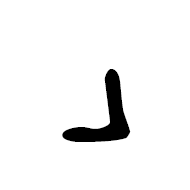
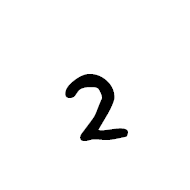
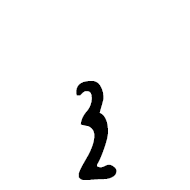
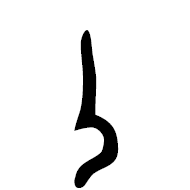
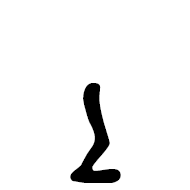
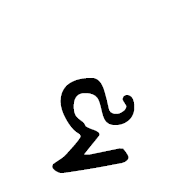
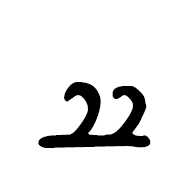
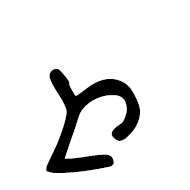
Below you will find all the characters that are in the 'Inscriptional Pahlavi' unicode script category. Currently there are 27 characters in this category.