Miao Unicode Script
The Miao script, also known as Pollard script, is a distinctive writing system devised in the early 20th century for the Hmong languages, which are spoken by the Miao people predominantly in China, and also in Vietnam, Laos, and Thailand. This script was invented by Samuel Pollard, a British missionary, with the goal of transcribing the linguistic nuances of the Hmong languages more effectively than previously used scripts. The script draws inspiration from several sources including the Latin alphabet and the International Phonetic Alphabet (IPA), yet it stands out due to its unique approach to orthography — where consonants resemble letters but the vowels, unexpectedly, are represented by diacritical marks and modifications to these consonants.
Designed specifically for tonal languages, the Miao script ingeniously captures the tonal variations of the Hmong language, which is critical for meaning and pronunciation. This aspect is pivotal since tone heavily influences the meaning in Hmong, differentiating words that are otherwise phonetically identical. Although initially created with a strong influence of Western scripts, the Miao script is distinctive in its typographic style and has been widely used in printed literature, religious texts, and education among the Miao communities. As such, it not only serves as a linguistic tool but also represents an enduring symbol of cultural identity and autonomy for the Miao people, fostering literacy and preserving the oral tradition and history of the Hmong speakers.
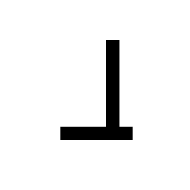
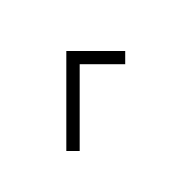
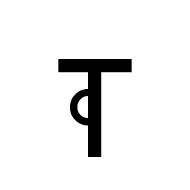
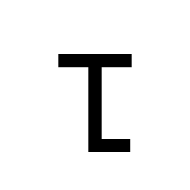
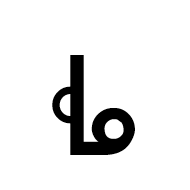
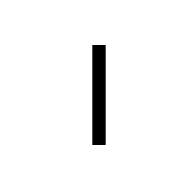
Below you will find all the characters that are in the 'Miao' unicode script category. Currently there are 149 characters in this category.