Hanifi Rohingya Unicode Script
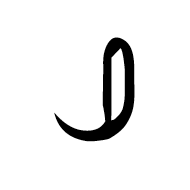
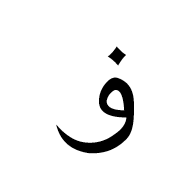
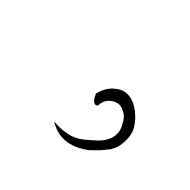
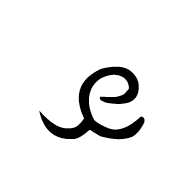
The Hanifi Rohingya script is a relatively recent creation designed specifically for the Rohingya language, spoken by the Rohingya people. This script was developed to provide the Rohingya language with a dedicated written form. Traditionally, the Rohingya language was written using a modified version of the Arabic script, but challenges such as insufficient representation of the phonetic range of Rohingya necessitated the creation of a new script. The Hanifi Rohingya script was devised in the 1980s by Maulana Hanif, a scholar from Bangladesh, providing a distinctive and linguistically accurate method for writing Rohingya.
With its roots in the Arabic script, Hanifi Rohingya is nonetheless unique, integrating characters that accurately reflect the specific sounds of the Rohingya language. The Unicode Consortium officially added it to the Unicode Standard in 2018, helping to ensure its digital presence and usability in modern communication technologies. The script features a total of 50 characters, including consonants, vowels, and numerals, and is written from right to left. The introduction of the Hanifi Rohingya script is a significant step towards preserving the cultural and linguistic identity of the Rohingya people, allowing them to more effectively document and share their language in both printed and digital formats.
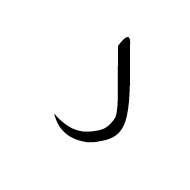
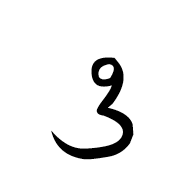
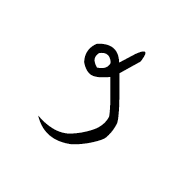
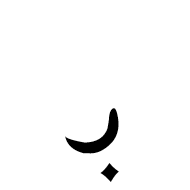
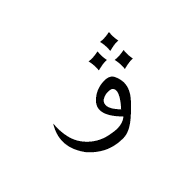
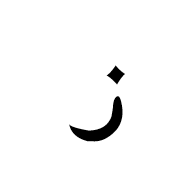
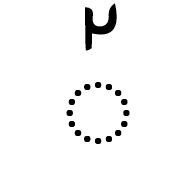
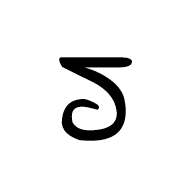
Below you will find all the characters that are in the 'Hanifi Rohingya' unicode script category. Currently there are 50 characters in this category.