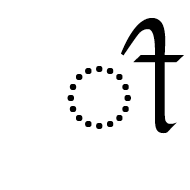
Syloti Nagri Unicode Script
Syloti Nagri is a Brahmic script historically used for writing the Sylheti language, spoken by the Sylheti people of the Sylhet region in Bangladesh and parts of the Indian states of Assam, Meghalaya, and Tripura. The script has its origins in the Brahmi script and shares similarities with other Indic scripts, such as Bengali-Assamese, with which it coexisted for centuries. Its distinctive characteristic is its unique set of characters, some of which are not found in the Bengali script. Syloti Nagri was used extensively in religious, literary, and everyday writings until the mid-20th century, after which the Bengali script gradually became more dominant in the region. The script is an abugida, meaning that each character generally represents a consonant and an inherent vowel sound, with markings added to indicate different vowels.
In recent years, there have been efforts to revive and digitize Syloti Nagri, recognizing its cultural and historical significance. This includes encoding the script in the Unicode standard, which allows it to be used in digital text processing. The revitalization efforts include educational initiatives to teach the script to new generations and the publication of materials in Syloti Nagri. The script is also recognized for its role in preserving the unique identity and heritage of the Sylheti-speaking people, distinguishing their language and cultural expressions from the larger Bengali cultural sphere. Despite the challenges it faces in terms of widespread adoption, the revival of Syloti Nagri stands as a testament to the resilience and pride of the Sylheti community, offering a crucial connection to their linguistic and literary past.
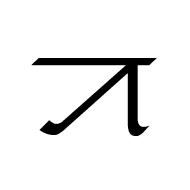
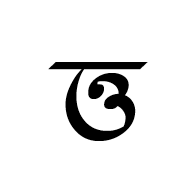
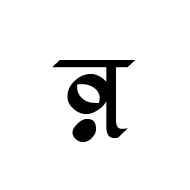
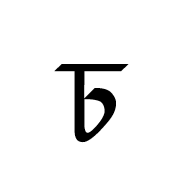
Below you will find all the characters that are in the 'Syloti Nagri' unicode script category. Currently there are 45 characters in this category.