Vai Unicode Script
The Vai script is a fascinating and unique syllabic writing system primarily used for the Vai language, which is spoken by the Vai people in Liberia and Sierra Leone. Developed in the early 19th century, the creation of this script is credited to Momolu Duwalu Bukele, a Vai community leader who sought to provide a written form for his language that didn't rely on external scripts. The Vai script consists of over 200 symbols, each representing a syllable, thus making it a syllabary rather than an alphabet. This innovative design reflects the linguistic structure of the Vai language itself, wherein syllables rather than individual phonemes are the primary units of spoken communication.
Historically, the Vai script stands out as one of the few indigenous writing systems in West Africa that was not heavily influenced by either European or Arabic scripts. Its creation was part of a broader trend of script invention in the region during the 19th century, often spurred by efforts to foster literacy and preserve cultural heritage. Despite the increasing influence of Latin script due to educational systems and official usage, the Vai script remains a significant cultural hallmark and is still actively used in many contexts today. Efforts to preserve and revitalize the script have been supported by its inclusion in digital platforms, with Unicode providing a standardized representation for the script, thus ensuring its continued legacy in the digital age.
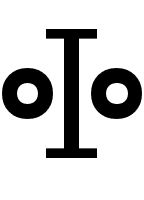
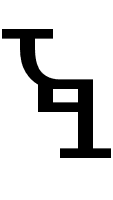
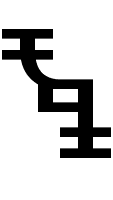
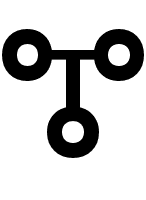
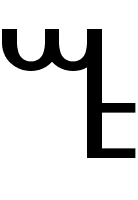
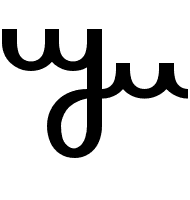
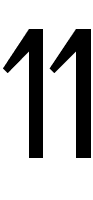
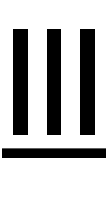
Below you will find all the characters that are in the 'Vai' unicode script category. Currently there are 300 characters in this category.