Yezidi Unicode Script
The Yezidi script, also known as Êzdî or Yezidi Unicode, is a writing system devised for the Yezidi language, a Kurdish dialect spoken by the Yezidi people. Developed in an effort to preserve and promote the rich cultural and spiritual heritage of the Yezidis, this script serves as a crucial tool in documenting and disseminating their religious texts, oral traditions, and cultural narratives. The script, while relatively new, draws inspiration from historical scripts associated with the region, reflecting a blend of innovation and tradition. Its introduction into the Unicode Standard allows for broader digital accessibility and fosters cultural continuity by enabling the Yezidi community to communicate and share their unique cultural identity worldwide through digital platforms.
The development of the Yezidi script was part of a broader cultural revival following periods of adversity faced by the Yezidi people, notably including persecution and displacement. By incorporating the script into Unicode, Yezidis can now preserve their written traditions in a stable, interoperable digital format, ensuring that younger generations have access to their linguistic heritage. Moreover, this inclusion aids linguists, historians, and cultural scholars in studying and understanding the nuances of the Yezidi language and culture. With an official presence in the Unicode Consortium, the Yezidi script stands as an emblem of resilience, ensuring the continuity of the Yezidis' rich historical and cultural legacy.
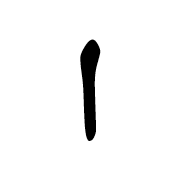
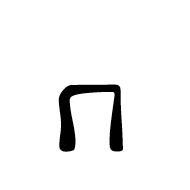
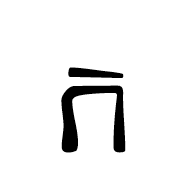
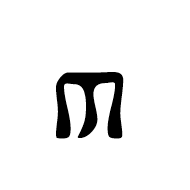
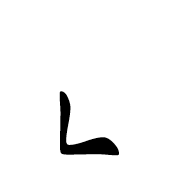
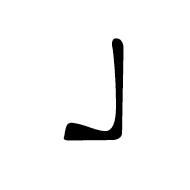
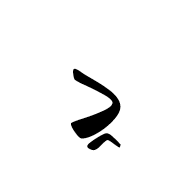
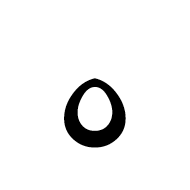
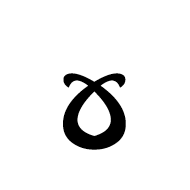
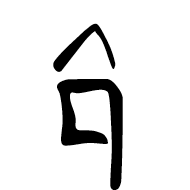
Below you will find all the characters that are in the 'Yezidi' unicode script category. Currently there are 47 characters in this category.