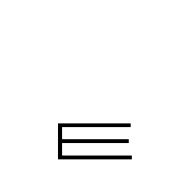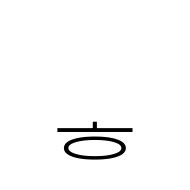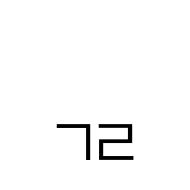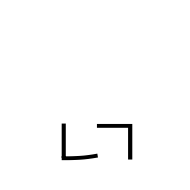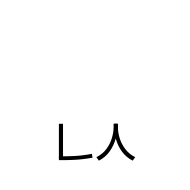
Hangul Jamo Unicode Block
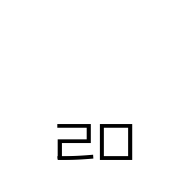
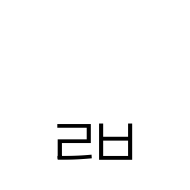
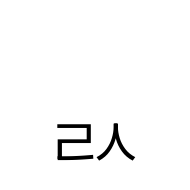
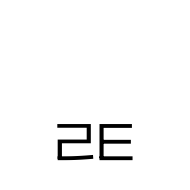
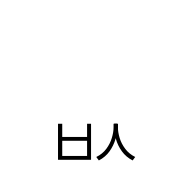
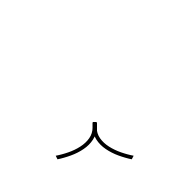
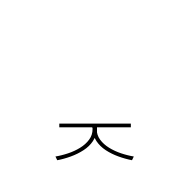
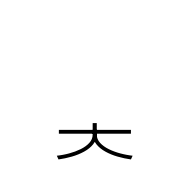
The Unicode block "Hangul Jamo" is dedicated to representing the basic building blocks of the Korean script, Hangul. This block encompasses the essential elements used to compose Hangul syllables, which include consonants and vowels. Unlike other alphabets that operate with a linear sequence of letters, Hangul is composed of jamo, which are arranged into syllabic blocks to form individual characters. Each block typically consists of an initial consonant, a medial vowel, and, optionally, a final consonant. This block is significant as it allows for the accurate digital encoding and representation of the Korean language, facilitating its use in computing and digital communications. The Hangul Jamo block consists of individual elements that can be combined to encode modern Korean phonetic sounds effectively.
Moreover, the Hangul Jamo block serves as a foundational aspect of more advanced blocks that extend its applications, such as the Hangul Syllables block, which contains pre-composed syllabic forms for modern use. Introduced in Unicode 1.1, the Hangul Jamo block spans from U+1100 to U+11FF and includes some 256 code points. It's crucial for rendering Hangul not only in digital text but also in the domains of language processing and natural language understanding. This block assists in the decomposition and re-composition of Korean text, ensuring linguistic accuracy and preserving the script's integrity across various digital platforms. In a contemporary context, the Unicode Hangul Jamo block is an invaluable tool for facilitating cultural expression and communication in Korean, promoting seamless integration into the ever-evolving digital landscape.
View a range of fonts that support the Hangul Jamo block.
Below you will find all the characters that are in the Hangul Jamo unicode block. Currently there are 256 characters in this block.